As I step into 2026, I find myself in a more reflective mindset than usual. The direction of the studio feels clearer than it ever has before, and that clarity brings a different kind of confidence.
This year is about committing fully to the work that matters.
The Creative North Star for 2026
When I think about 2026 as a whole, one word keeps surfacing: followthrough.
Up to this point, Workhorse Game Studio has grown through exploration. I have tested ideas, experimented with different directions, and kept multiple projects moving at once. That exploration was necessary. It helped me figure out what kind of games I want to make and what kind of studio I want to build.
This year marks a shift.
Followthrough means focus. It means narrowing my attention and being deliberate about where my time and energy go. In practical terms, that involves pulling back on side efforts that helped support the studio financially but also divided my creative bandwidth. Those projects will continue in a maintenance capacity. The games are now the clear center of gravity.
This focus reflects how I think about games themselves.
I see games as one of the most comprehensive art forms available. They combine systems, visuals, sound, narrative, and player choice into a single experience. When they work well, they create emotional weight. They leave players with the feeling that they have lived through something, not just solved a puzzle or optimized a system.
That perspective shapes how I approach difficulty. For me, difficulty is about stakes. It is about crafting moments where choices carry weight, consequences linger, and success feels earned. Tension and uncertainty are core tools in building those experiences, and I am committed to leaning into them rather than smoothing them away.
The theme of 2026 is followthrough. Carrying ideas to their natural conclusion. Honoring tone and difficulty without softening the edges. Seeing projects through until they feel cohesive, intentional, and complete.
Where Each Game Is Headed in 2026
With that direction established, the next question is how each game fits into the year ahead.
Atomic Edge
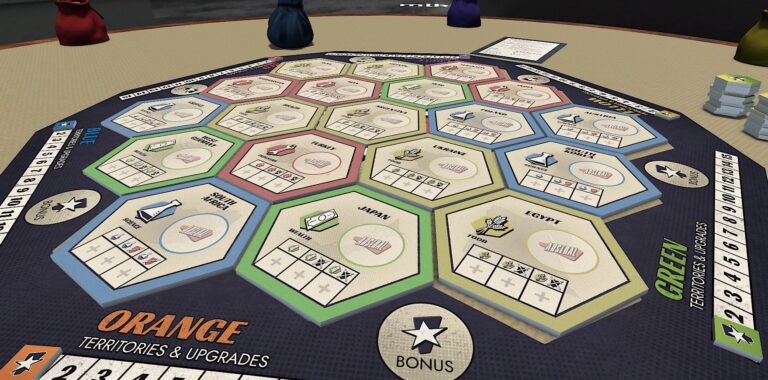
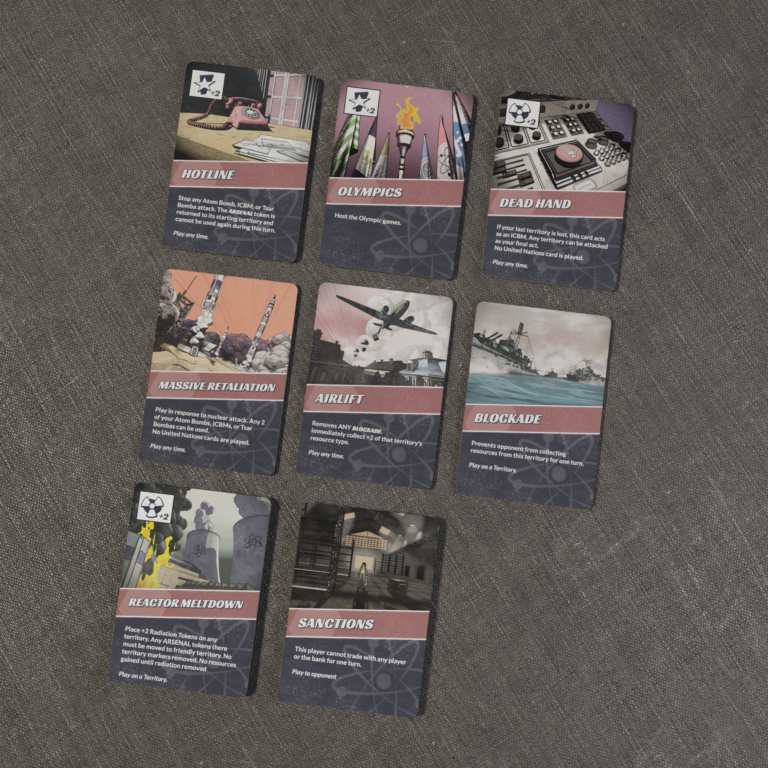
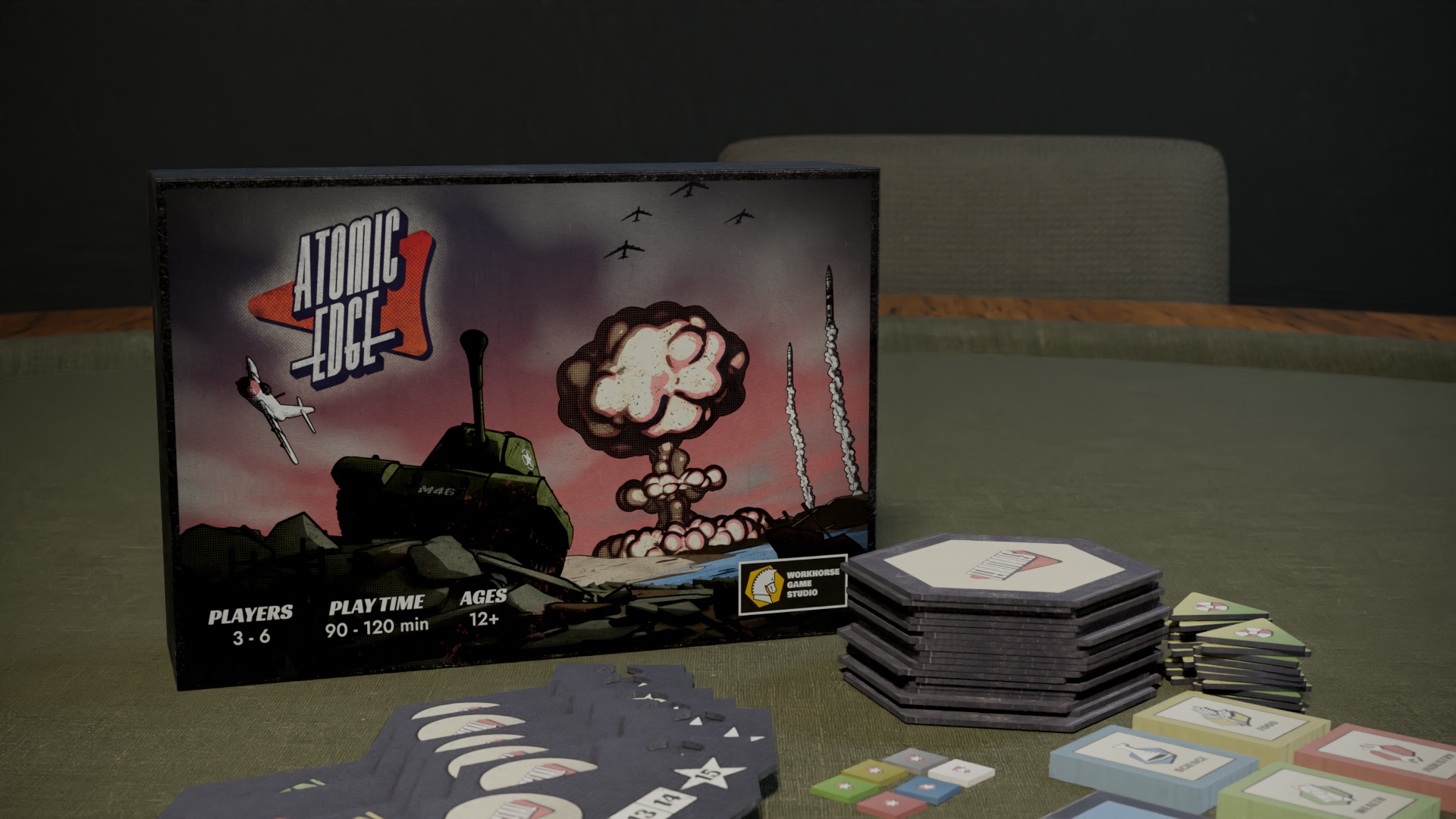
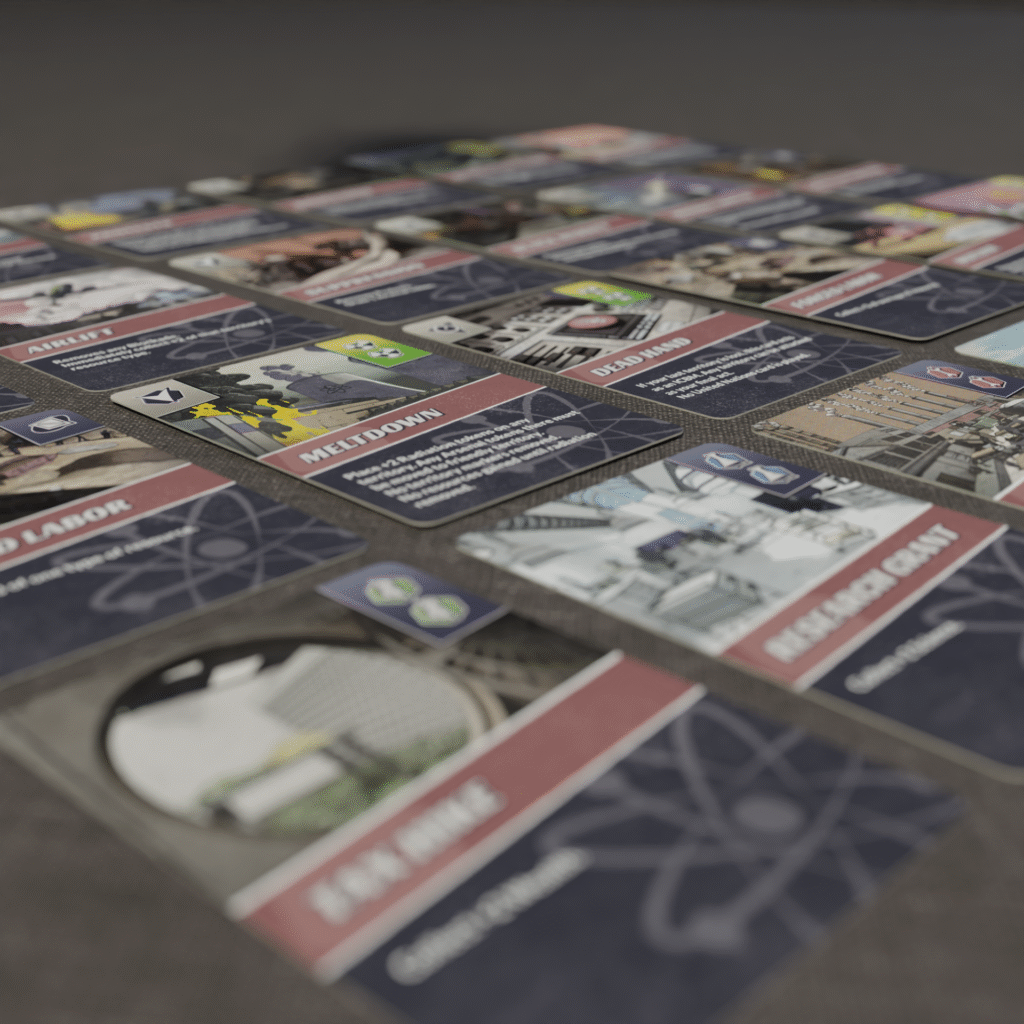
For Atomic Edge, 2026 is about broader exposure and validation through playtesting. The core experience is established, and the tension created by making critical decisions with incomplete information remains central to the design.
This year is about watching what players do when certainty is taken away. I want to see how they navigate limited information, how they weigh risk, and how the game’s tension translates from design intent to actual play at the table.
One major area still in development is the game’s new Victory Conditions. They make sense to me conceptually and are intended to increase motivation and replayability. Their real test will come through player interaction. Playtesting will determine how these systems evolve and whether they support the experience in the way I intend.
 Gales of Winter
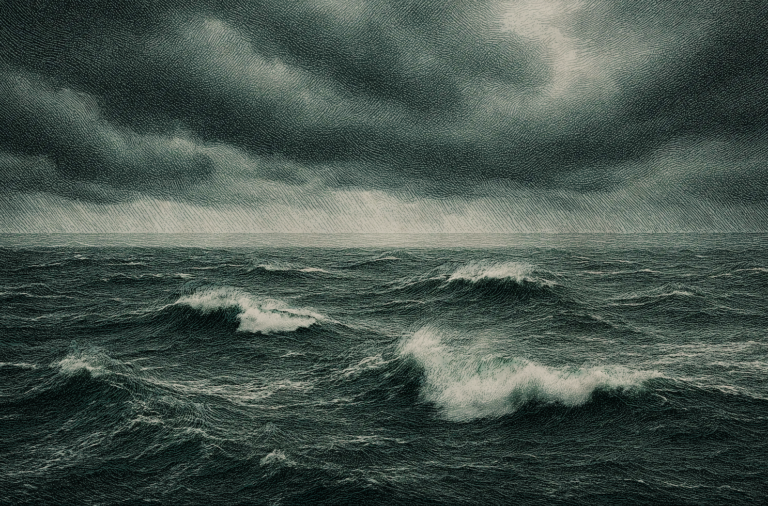
Gales of Winter plays a different role in 2026, while still supporting the same overall goals.
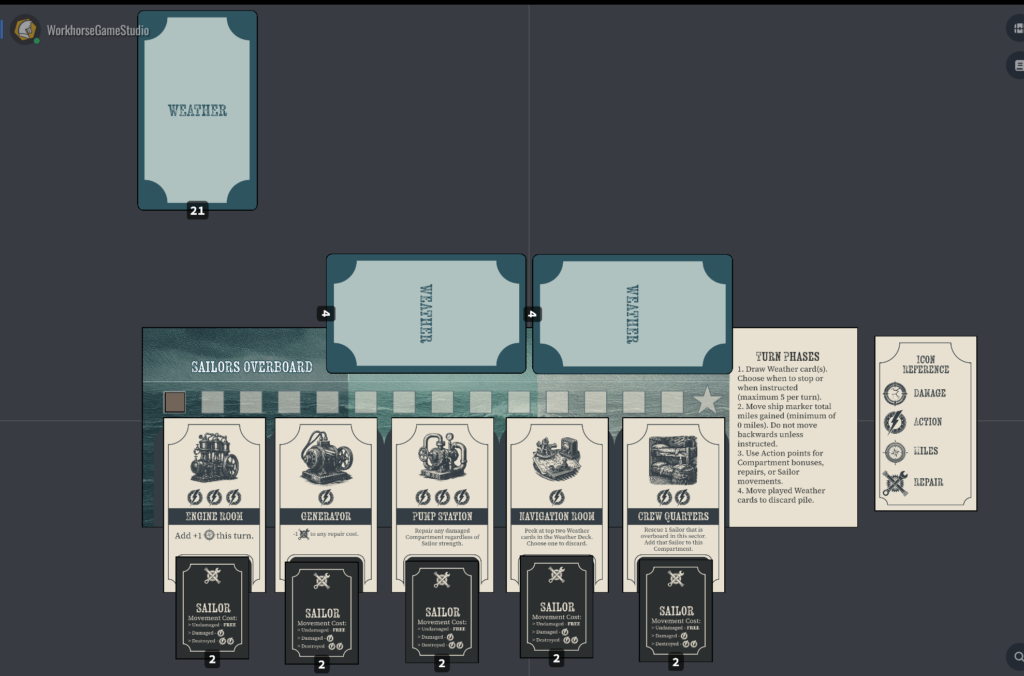
From the outset, it was designed as a smaller, faster-moving project. Its scope allows for quicker iteration and clearer progress. It also serves as a proving ground for learning how to bring a game fully into the world, from testing through launch.
The game centers on survival under sustained pressure. Every turn is meant to feel precarious. Every success should feel close and hard-won. Reaching port is intended to carry a genuine sense of relief, earned through endurance and difficult decisions.
This year is about taking Gales of Winter from rough prototype to a finished, polished experience. It is where I am practicing followthrough at a complete, contained scale.
Two Games, One Path
Although the two games differ in size and scope, they inform each other throughout the year.
Gales of Winter builds on lessons learned during the development of Atomic Edge, while moving more quickly toward completion. That momentum provides experience and confidence that will carry forward into the larger project.
Together, the games express the same design philosophy through different lenses: high-stakes decisions, meaningful tension, and the discipline to see ideas through.
The Challenges Ahead
Followthrough brings its own set of challenges.
The most significant constraint this year is bandwidth. I am developing these games alongside a full-time job and family life, which makes time management a constant consideration. Progress depends on choosing the right work when time is tight and staying focused on what actually moves the games forward.
Working solo adds another layer to that responsibility. Without built-in external direction, every decision about priorities rests on my own judgment. Staying aligned with the most meaningful, needle-moving tasks will matter far more than staying busy.
There are creative challenges as well. Pushing toward demanding, high-stakes experiences requires careful calibration. Difficulty needs to create tension and meaning without overwhelming players. Finding and maintaining that balance will be an ongoing part of the process.
Community feedback introduces another area that requires discernment. Thoughtful input is valuable, especially when stress-testing assumptions, but every suggestion has to be weighed against the game’s vision. Learning when to adjust and when to hold course will be a skill I continue to develop.
On a personal level, morale will require attention. I tend to set ambitious goals and underestimate how long work takes. Managing expectations during slower stretches will be essential to sustaining momentum over the long term.
At the center of 2026 is a demanding balance: limited time paired with meaningful ambition, held together by discipline, patience, and consistency.
How the Community Fits Into 2026
Community involvement plays a focused role this year.
The primary way the community contributes in 2026 is through stress-testing. Both games have reached a point where player experience matters more than theoretical design. Recent changes make fresh feedback especially valuable.
When I ask for input, the most useful signal is simple: would you play this again? That instinctive response reveals more about the health of a game than any single mechanical suggestion.
Polls and questions will be used to surface blind spots and pressure-test assumptions. Their purpose is to inform judgment, not replace it.
I am especially interested in hearing from people who are comfortable engaging with unfinished work. Rough edges and unresolved systems are part of development, and showing that process openly is intentional. I would rather share the work as it exists than present a polished illusion.
If you are comfortable with honest work-in-progress, interested in how games take shape over time, and willing to engage thoughtfully with evolving ideas, there is space for you here.
Staying in the Loop
If you would like to follow along more closely this year, the newsletter is the best place to do that.
That is where I share longer dev logs, playtesting notes, and reflections that do not always make it to social media. It is also where I will invite readers into playtests and ask for feedback at key moments throughout the year.
If watching these games take shape slowly and deliberately sounds interesting to you, you are welcome to join.